

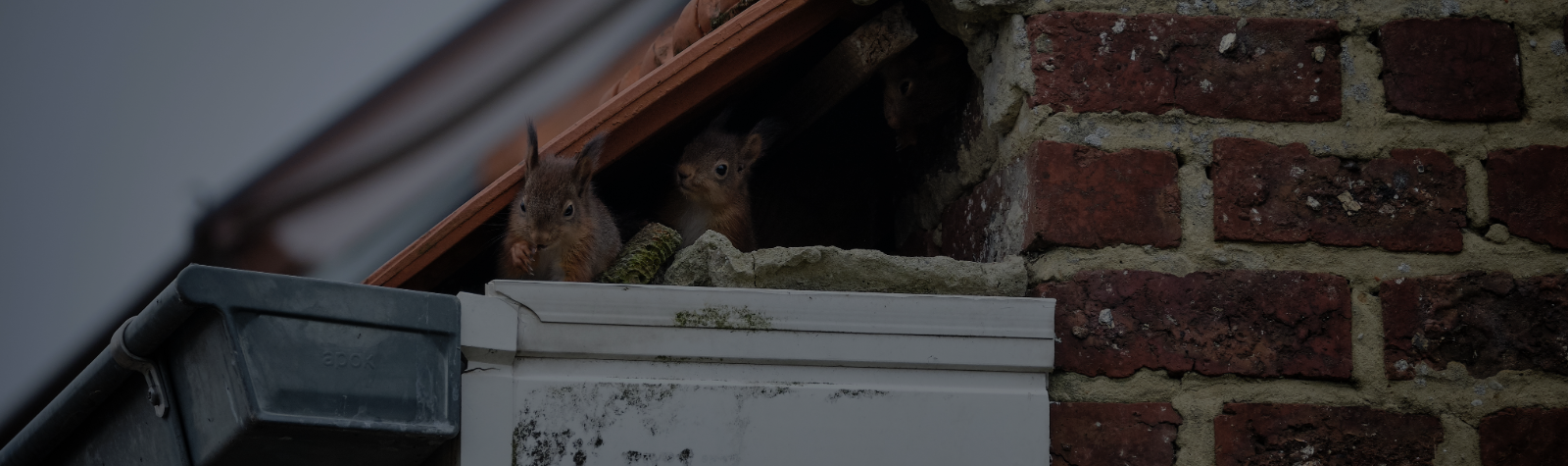
Wildlife Damage Repair & Exclusion in the Twin Cities
Wildlife & Pest Damage Repair — Structural Restoration & Permanent Exclusion
Pest control companies remove the animals and treat the infestations — but who repairs the torn soffits, chewed fascia, damaged roof vents, windowsills, and compromised structural wood they leave behind? Wildlife and wood-destroying pests cause real structural damage, both inside and outside your home. Without professional repair, the damage gets worse — and without permanent sealing, wildlife finds its way back in.
Cardinal Exteriors repairs the structural damage caused by wildlife and pests — exterior and interior — and permanently seals entry points to prevent re-entry. We coordinate the work with our sister company, Adam’s Pest Control. They handle removal and treatment. We handle the construction: soffits, fascia, roofing, vents, windowsills, stairs, trim, and structural framing.
Exterior Wildlife Damage We Repair
Raccoon Damage
Raccoons are powerful animals that cause significant structural damage when accessing attics and crawl spaces. They tear through soffits, peel back roof edges, destroy chimney caps and flashing, and compromise insulation. The damage is often far more extensive than homeowners realize from ground level.
- Torn and destroyed soffits — raccoons pull soffits apart with their hands to create attic entry
- Roof-edge and drip-edge damage — bent, peeled, or torn metal along roof perimeters
- Chimney cap destruction — dislodged or crushed chimney caps and damaged flashing
- Attic access points — enlarged holes at construction joints, vent intersections, and dormers
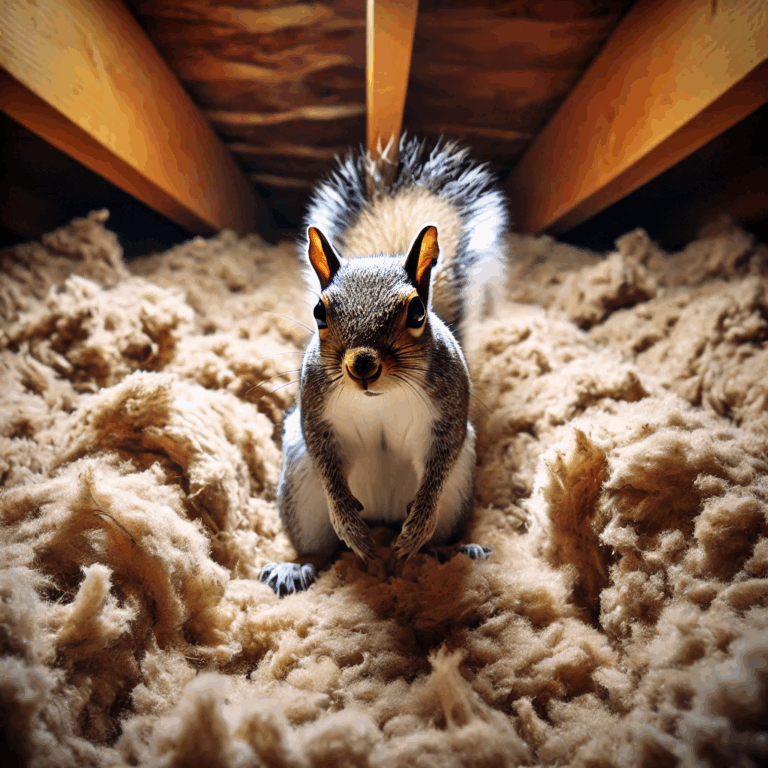
- Insulation rearranged to provide nesting; animal waste makes it unsanitary.
Squirrel Damage
Squirrels are persistent chewers that gnaw through wood, aluminum, and even thin metal to enlarge existing gaps into usable entry points. They target fascia boards, roof vents, and gable vents — and the damage compounds over time as the openings grow.
- Fascia chewing and gnaw damage — chewed-through wood fascia boards and trim
- Enlarged attic entry gaps — small construction gaps gnawed into full entry points
- Roof vent and gable vent damage — chewed plastic or aluminum vent covers
- Exterior wiring access points — damage around utility penetrations and junction boxes
Bat Entry Damage
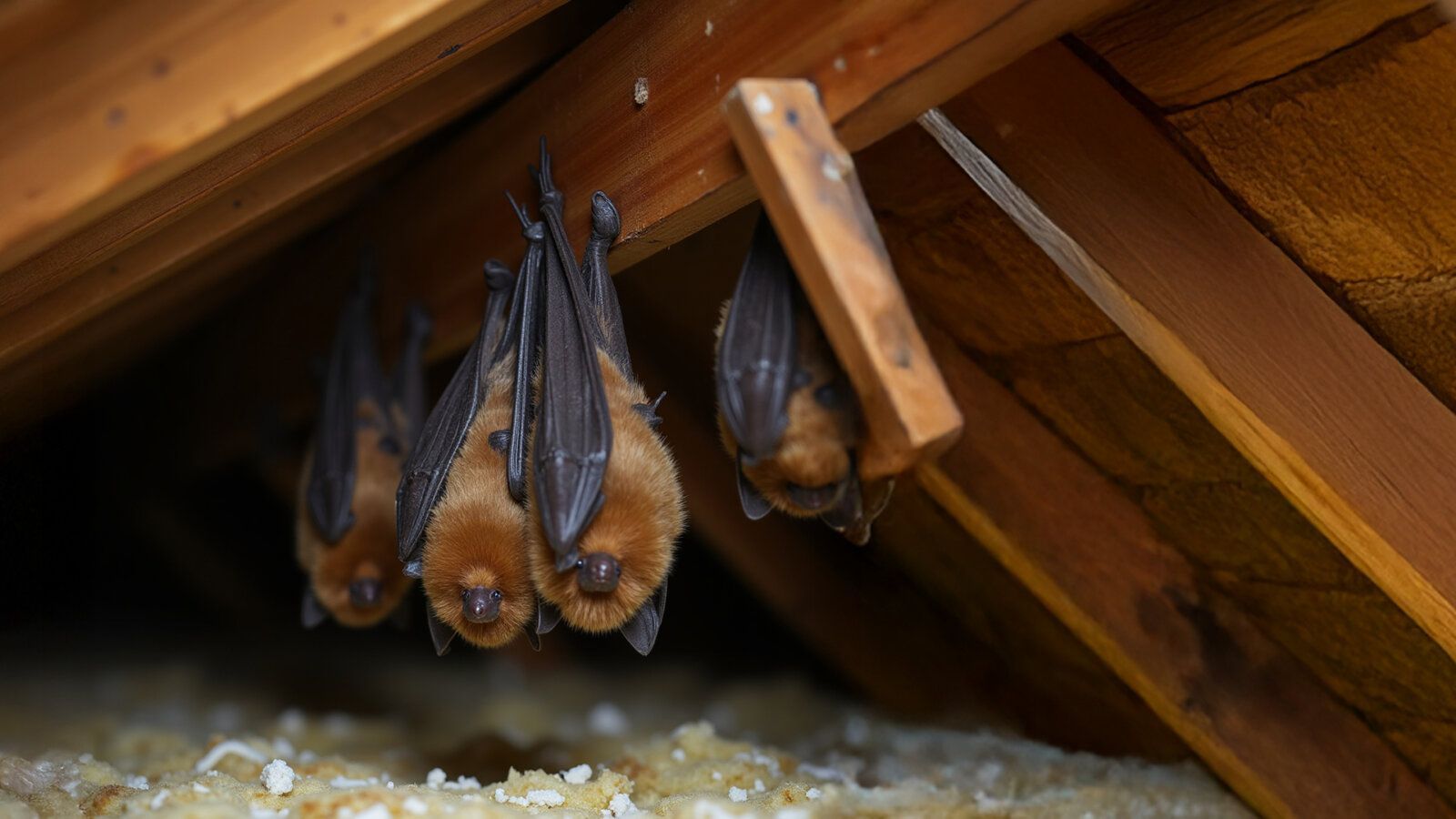
Bats don’t chew or tear — they exploit existing gaps as small as three-eighths of an inch. Over time, bat colonies expand these openings through body oil erosion and guano accumulation, creating larger structural vulnerabilities.
- Ridge vent intrusion — entry through gaps in ridge vent systems
- Gable vent gaps — penetration through damaged or poorly sealed gable vents
- Eave and soffit separation — entry where soffits pull away from fascia or walls
- Flashing and trim-line gaps — exploitation of gaps at material transition points
Pest & Insect Damage We Repair
Carpenter Ant Damage
Carpenter ants don’t eat wood — they excavate it to build nesting galleries. Over time, colonies hollow out structural framing, windowsills, door frames, and trim, leaving smooth tunnels that weaken load-bearing members. The damage is often hidden inside walls and is far more extensive than the small piles of sawdust-like frass that homeowners first notice.
- Structural framing damage — hollowed-out wall studs, floor joists, and sill plates
- Windowsill and door frame deterioration — excavated wood around moisture-prone openings
- Interior trim and woodwork — damaged baseboards, casings, stair components, and built-ins
- Exterior wood damage — fascia, deck ledger boards, and porch columns
Wood Borer & Termite Damage
Wood-boring beetles and termites attack structural lumber, hardwood flooring, stair treads, and trim from the inside out. By the time exit holes or surface damage becomes visible, the interior of the wood may already be significantly compromised. Repair often requires replacing entire members rather than patching.
- Structural lumber replacement — floor joists, rim joists, and sill plates weakened by beetle larvae or termite galleries
- Stair and railing restoration — treads, stringers, and balusters damaged by wood borers
- Window and door frame replacement — frames and sills compromised by termite or borer activity
- Hardwood floor repair — sections of flooring damaged by powder post beetles or subterranean termites
Other Pest-Related Structural Damage
Mice, rats, and other pests cause damage that extends beyond what most homeowners expect. Rodents chew through wood framing, electrical access points, and insulation barriers. Their nesting activity degrades insulation performance and can create moisture pathways that lead to wood rot.
- Rodent gnaw damage to framing, sheathing, and utility penetrations
- Insulation contamination and replacement
- Moisture damage secondary to pest activity — wood rot at entry points and nesting sites
Interior Damage Repairs
Wildlife and pest damage doesn’t stop at the exterior. Once animals or insects gain access to your home’s structure, the damage often extends to interior spaces. Cardinal Exteriors repairs interior structural damage caused by wildlife and pests, including:
- Windowsills and frames — replacement of sills, jambs, and casings damaged by carpenter ants, termites, or moisture from wildlife entry
- Stairs and railings — tread, stringer, and baluster restoration where wood borers or carpenter ants have compromised structural integrity
- Interior trim and woodwork — baseboards, crown molding, door casings, and built-in cabinetry damaged by pest activity
- Structural framing — sistering or replacement of studs, joists, and sill plates where pest damage has reduced structural capacity
- Drywall and ceiling repair — patching and restoration where access was needed for pest treatment or where wildlife caused visible damage
Interior repairs are coordinated with Adam’s Pest Control’s treatment timeline to ensure pests are fully addressed before structural restoration begins.
Seal It Once. Seal It Right.
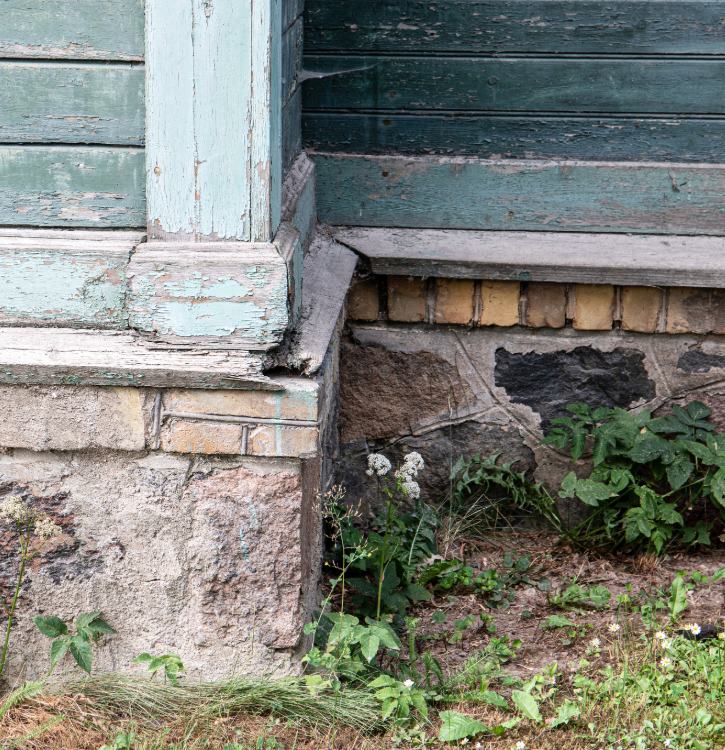
After repairing structural damage, Cardinal Exteriors permanently seals every identified entry point using professional-grade materials designed to withstand Minnesota’s climate and persistent wildlife. This isn’t caulk and spray foam — it’s metal reinforcement and structural-grade closure.
- Metal reinforcement at vulnerable roof edges, soffits, and fascia joints
- Roof vent and gable vent protection with heavy-gauge metal screening
- Gap elimination at trim lines, eaves, and utility penetrations
- Chimney cap installation with stainless steel caps sized to prevent animal entry
Is Wildlife or Pest Damage Covered by Insurance?
Many homeowners assume wildlife and pest damage is covered by their homeowners’ insurance, but in most cases it is not. Standard policies typically exclude damage caused by wildlife, rodents, insects, and vermin — insurers classify it as a maintenance issue, not a covered peril.
Rare exceptions exist for sudden and accidental events — for example, a deer crashing through a patio door would typically be covered. But structural damage from raccoons, squirrels, bats, carpenter ants, or termites over time is almost always excluded.
Cardinal Exteriors provides thorough damage documentation — detailed photographs, written assessments, and repair estimates — so homeowners have everything they need when discussing options with their insurer. In some cases, portions of the damage may qualify under other coverage categories, and proper documentation is essential.
How Wildlife & Pest Damage Repair Works

Wildlife & Pest Damage Repair FAQ
Contact Information
Get in Touch
Office Hours:
Monday - Thursday: 8:30 AM - 5:00 PM
Friday: 8:30 AM - 3:00 PM